• Taking our sweet time with this year’s Super Bowl ads

    You searched for new era cap – Page 19 of 31 – The Martin Group

    Another big game is in the books, and we’ve seen plenty of day-after assessments of the ads interspersed throughout on-field action (and suite shots of Taylor Swift).

    But how many of these analysts took THREE WHOLE WEEKS to let these ads re-air, worm their way into the public consciousness, and age in a way that could elicit more well-rounded critique?

    We here at The Martin Group decided that, this year, we’d take our time (see: procrastinate) and, for our agency’s most complete analysis, eschew the typical hot-take breakdown. Instead, I tabbed the expertise of Creative Director Frank Conjerti, made him drive through a snowstorm to Spot Coffee in North Buffalo, and settled in for a casual assignment of awards for this year’s cavalcade of hilarious and heartwarming ads.   

    Against the backdrop of one of the Queen City’s favorite caffeine purveyors—and over a small coffee and whatever fancy drink Frank ordered—here’s what we came up with.

    Best Retread of an Old Campaign – E-Trade

    Babies talking finance is always hilarious. The ad minds working with E-Trade/Morgan Stanley know this, so they dusted off this concept which first debuted in 2008, inserted the modern competitive craze of pickleball (aka whiffle tennis), and delivered a 30-second spot that was both nostalgic and new.

    Frank says: “It was well-written and played off the popularity of pickleball—but most importantly, babies are funny. It’s such a simple joke, but one that still works so well.”

    Worst Retread of an Old Campaign – Robert F. Kennedy, Jr. for President

    Borrowing campaign concepts from 15 years ago for a crowd of growing millennials? Sure. Reworking a campaign commercial and jingle from nearly 65 years ago that ignores this sought-after demo, all while alienating your famous family to connect with a narrow slice of the American voters? Wasteful—and not that creative. 

    Frank says: “[The concept was] just a very old reference for a wide-ranging demo. If I didn’t watch Mad Men, then I wouldn’t have recognized it at all.”

    Best Mistreatment of Cartoon Characters – Paramount +

    This year’s ads were certainly not bereft of live-action celebrities. But football-shaped cartoon characters intermingling with starship captains and leggy cops, all while backed by the faux-inspirational bombast of Scott Stapp? Paramount+ went the extra mile to show off their streaming wares—and lodge Creed’s “Higher” in ears across the globe.

    Frank says: “Hilarious and kept my attention, all while highlighting characters from content that I didn’t know they had—like Hey, Arnold and Reno 911.”

    Best Use of Celebrity Surname – CeraVe and Michael Cera

    Many of the most effective ad ideas aren’t very complicated. Sometimes, they’re right in the product name—as long as that name is the same as a popular actor’s surname. CeraVe skin cream saw this opportunity via the Arrested Development and Superbad star, and with Cera at the helm, carried it through for hilarious results

    Frank says: “It was a one-note concept, but the way they structured it—how they had him so confident in the idea, and how he seemed so in on the gag—made it work.”

    Best Use of a Rocky Alum – Skechers

    In one corner was Carl Weathers, the Balboa foe-turned-friend from the film series’ first four installments, joining with former NFL tight end Rob Gronkowski for FanDuel. In the other, Rocky III’s Clubber Lange, Mr. T, sliding into a pair of Skechers. All due respect to the recently deceased Weathers, but merging the mohawked T with the shoe brand’s concept fit perfectly.  

    Frank says: “I wish they would’ve spent more time setting it up, but it was a clever way to address the perceived misspelling of their name—and sell plenty of slip-ons in the process.”

    Best Reunion for the Under-40 Set – Mountain Dew

    To push their turbo-charged soda to the most cherished ad demo, Mountain Dew called on one of the most beloved comedies of the late-aughts (Parks and Recreation) and its two most delightfully cantankerous character actors, Aubrey Plaza and Nick Offerman. The result: Solid reunion—and plenty of dry sarcasm. 

    Frank says: “It was funny and well-executed. Both picked up their popular, deadpan characters and played them against the message [of “having a blast”] perfectly.”

    Best Reunion for the Over-40 Set – State Farm

    Could State Farm have produced a series of ads around guest pitchman’s Arnold Schwarzenegger’s inability to pronounce the word “neighbor”? Sure. Most of 1990’s Kindergarten Cop was built on this gag. But instead, the insurance giant turned Arnold’s accent into an opportunity for an onscreen reunion no one knew they needed—much to the delight of ‘80s film fans who did.

    Frank says: “[The Twins reunion] made that spot. Plus, as a rule, Danny DeVito is awesome in anything.”

    Best Flip of Stereotype to Strength – Kawasaki

    Close your eyes and envision a gang of dudes on all-terrain vehicles (ATV). What do you see—and more importantly, does this vision accurately depict reality? Maybe, maybe not. But this year, the ad minds behind the Kawasaki brand decided to lean into the hirsute generalizations of their clientele, connect it to their product, and have plenty of fun while doing it.    

    Frank says: “It was lighthearted enough to not make fun of their target audience, all while bringing that same audience in on the joke.”

    Best Brand-for-Brand Exchange – Verizon and Beyoncé

    One needed to communicate the strength of its 5G network. The other needed to remind those outside the Beyhive of her prominence—and tease an unexpected country twist to her ever-evolving brand. Both got what they wanted, all within an ad that sent people to their phones to decipher a global icon’s next move.

    Frank says: “It worked as a nice bit of codependency. Each brand was able to help each other’s cause, but within the construct that was entertaining and equally beneficial to both.”

    Best Break from Celebs and Stupidity – Dove

    This year’s majority of in-game ads employed a formula comprised of comedy + celebrities = success. Most brands veered away from heavy material, but that may be because emotionally connecting with viewers is no easy task. Dove just makes it look that way, with imagery and messaging that’s consistently impactful amid the jokes and star cameos of its ad contemporaries.

    Frank says: “So few ads were serious because it’s so hard to walk that line between poignancy and preachy. Dove does it well, highlighting universal themes we can all get behind.”

    Best Use of Suits – Elf

    How is a cancelled cable comedy (off the air since 2019) now so popular that its cast members were featured in not one, but two Super Bowl ads? Ask a Meghan Markle fan. But even without her involvement, Suits cast members Gina Torres, Sarah Rafferty, and Rick Hoffman (Elf) joined Patrick J. Adams and Gabriel Macht (T-Mobile) to rep the re-run fave, all while hawking make-up and cell service. 

    Frank says: “I don’t understand the popularity of Suits, but guess I’m in the minority. Its stars resonate with viewers, so tapping them for these two spots was a smart move.”     

    Want to learn more about The Martin Group’s diverse array of work in the ad world? Click here.

  • Made to order: Delicious food trends for your 2024 menu

    You searched for new era cap – Page 19 of 31 – The Martin Group

    Sometimes, our food acts as boring, necessary fuel to keep us upright, cognitive, and moving forward. It’s not exciting or adventurous; it’s utilitarian, with meals void of the creativity necessary to make it into something special. 

    But not always. Thankfully.

    With its myriad flavors and infinite possibilities, food can be a source of excitement, entertainment, or genuine salvation, with tastes that can wrestle us from the grips of despair. Sounds dramatic, but have you ever had a meal that turned around your day or implanted the deepest sense of satisfaction in your soul (or stomach)? This is its power, and every year, culinary professionals and home chefs alike are eager to find new ways to vary the impact of mere morsels.

    This year is no different. New trends abound, ready to expand menu possibilities—and provide regular escape from our bland oatmeal and sad turkey sandwiches. Compiled by our in-house research team, here are some of the food trends we’re watching in 2024.  

    Down on the (urban) farm

    In many areas of the U.S., urban neighborhoods—once dotted with corner grocers or pop-up produce stands—have become food deserts with vital, nutritional sustenance absent from where it’s needed the most. Enter the trend of urban farming with residents and restauranteurs pursuing produce grown everywhere from community gardens to apartment building rooftops and cultivated in responsible, sustainable ways. 

    Escape to the islands

    If entrée flavors can provide an escape from the daily grind, where better to be transported than to a beachfront table in the islands? Whether within traditional dishes and small plates or ones with exotic flair, ingredients like pineapple, passionfruit, and toasted coconut plan to imprint orders with a sought-after Caribbean vibe throughout the calendar year—and provide an edible paradise for awaiting 2024 tastebuds.   

    Fire up the (international) BBQ

    Are Carolina, Kansas City, and Texas barbeque all still a must-taste? Of course—but this year, culinary dynamos will be looking to expand their grilling specialties to meet the needs of customers now accustomed to international tastes. According to the food trend-focused Cozymeal, spice profiles from the Middle East, Mediterranean, and South America will be on the rise, alongside an expansion of Korean and Thai BBQ favorites.

    Tastes so retro

    We’ve seen it with fashion, music, and film—so why not with food? Yes, what was once passe is now on-point (if people still say that) when it comes to culinary trends. FoodBytes’ annual breakdown notes that methods like in-house pickling, mini dessert plates, and cocktail throwbacks like the once-chic espresso martini have rejoined the chat and are bringing plenty of Generation X flavor to the Gen Z table. Can the return of pizza-flavored snacks or red ales be far behind? Stay tuned (and hungry).

    Plant-based goes mainstream—in a good way

    According to a recent report from Nestle, 70%of the U.S. population now consumes plant-based foods, up from 66% in 2023. This is no longer a small percentage; this is most of American consumers, and they’re now familiar—and fans—of these options in all their creative iterations. (See: plant-based seafood.) And now that a “flexitarian” younger generation has joined an aging population eager to pursue a healthier diet, selections once earmarked for vegans and vegetarians are now for all—and growing more delicious by the day. 

    Want to learn more about The Martin Group’s work in the food and beverage industry? Click here.

  • Navigating the unthinkable: National Fuel immerses leadership in crisis preparedness exercise

    You searched for new era cap – Page 19 of 31 – The Martin Group

    Imagine you’re the captain of a massive ship. You wouldn’t wait for a storm to hit before figuring out where your life jackets are, right? Or if there are enough for everyone on board?

    Being ready was the key idea behind a recent disaster preparedness exercise The Martin Group facilitated with National Fuel, Western New York’s leading energy supplier of natural gas. The company knows that the unthinkable is possible in the high-stakes industry and could impact millions of people, which is why they conduct yearly crisis simulations for their team.

    According to PwC’s 2023 Global Crisis and Resilience Survey, 96% of organizations have experienced a crisis in the past two years, and most report experiencing at least one disruption other than the pandemic. According to this same report, three-quarters of the nearly 2,000 business leaders surveyed say that disruptions have had a significant negative impact on their operations. And unfortunately, business leaders overestimate their preparedness for disruption. 

    But if crisis comes knocking, National Fuel has every intention of being ready. They took this annual exercise to the next level, enlisting The Martin Group’s public relations, public affairs and crisis management experts to conduct specialized and immersive corporate training. With a narrator driving the minute-by-minute updates that included internal and external forces, this carefully choregraphed exercise simulated a hypothetical scenario – a pipeline explosion.

    Crafting a realistic simulation

    Our team worked with National Fuel’s corporate communications, safety and security ring leads for months to design the simulation for 50 of National Fuel’s key players across all operations. The room was buzzing with everyone from the company CEO to various key executives and department leaders as we tested their nerve, decision-making skills and ability to collaborate under extreme circumstances. The exercise incorporated elements such as time pressure, uncertainty and the need for decisive action. This lifelike scenario challenged the leadership team’s ability to respond and created an environment where the stakes felt real, eliciting authentic reactions and revealing areas for improvement.

    Leadership under pressure

    The immersive exercise unfolded in a simulated crisis command center where the group learned for the first time that they would need to navigate a pipeline explosion. With the clock ticking and challenges escalating, they were tasked with making quick decisions on everything from emergency response to communicating with stakeholders and allocating resources. The intensity of the exercise put their crisis management protocols to the ultimate test, revealing strengths and weaknesses with their existing disaster plans.

    Fostering collaborative decision-making

    Crisis management is a team sport. When dealing with something serious, you need all hands-on deck, and this immersive exercise forced departments to break down silos and work together. The experience emphasized the importance of collaboration and will serve these teams well in any real-world challenges they face. 

    Effective communication in crisis management 

    In a simulation like this where there are so many affected groups, effective communication is a must. The simulation placed a spotlight on National Fuel’s communication strategies, testing their ability to deliver clear, timely and transparent messages to internal and external stakeholders and the media. Effective communication goes a long way in maintaining stakeholder trust and protecting reputation. This emphasis on communication excellence was a critical component not just for the company’s corporate communications team but every department and provided valuable insights into enhancing team protocols for the future in a potential real-world event.

    Learning from the Experience

    A comprehensive debrief is currently underway at National Fuel, which will allow company leadership to reflect on what worked, what didn’t and how to evolve their existing crisis management protocols. The lessons learned will be integrated into National Fuel’s broader crisis management plan and strategy, ensuring that the organization is ready to respond effectively.

    Our biggest takeaway from this and other scenarios we’ve planned – speed and communication are key, and those factors alone can determine success or failure.

    In the high-stakes industry in which National Fuel operates, being prepared for the worst isn’t just a safety net – it’s a strategic move. National Fuel’s willingness to face the unexpected head-on is a testament to their self-awareness and forward-thinking leadership.

  • She’s Got Next: Kathryn Bertine

    You searched for new era cap – Page 19 of 31 – The Martin Group

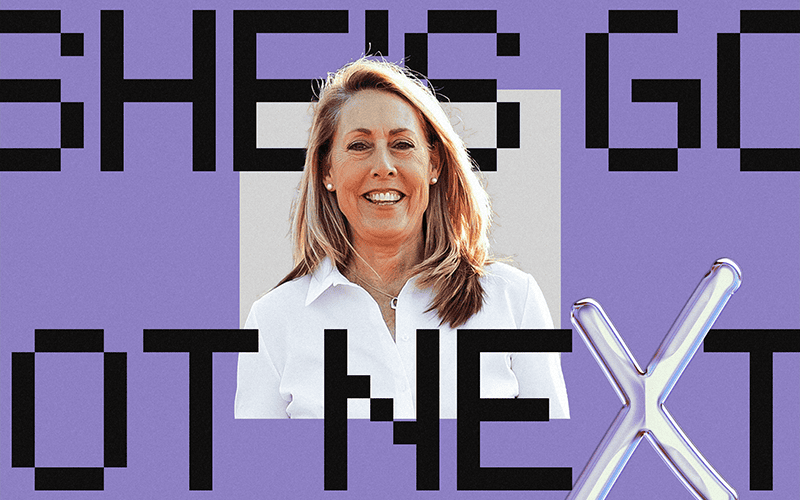
    An author, athlete, activist and documentary film maker, Kathryn Bertine has been on the forefront of advocating for equity for women in professional cycling. Instrumental in the movement that successfully lobbied the Tour de France to include women in the sport’s signature competition, she continues her work on the gender pay gap through her non-profit, Homestretch Foundation.

    This conversation is edited for length and clarity.

    Women have long been neglected in the sport of cycling – in opportunity, prize money and sponsorship. What was the tipping point for you that made you say, “I have to do something?”

    What I have seen in the past is that change comes from those who are in the arena. When we look back, we see that Billie Jean King could create change while she was playing tennis, because she was experiencing those exact hurdles in her sport at the time. The same thing with women’s soccer and women’s ice hockey – they were lobbying for change and pay equity and it came in part because the work was being done by athletes who were currently playing the sport.

    I knew when I was in cycling and racing things weren’t right. If I ever want to see change during my lifetime, while I’m engaged in this sport, then it had to come from me and others while we were playing the sport. Even now, as an alumna of pro cycling, I can still help affect change, but the next round of change will come from the women who are currently playing as well.

    That was the key turning point where, like so many of us, I thought that change just happens. But no, change doesn’t have to happen. People must stand up and speak out and make change happen. Maybe in the beginning, I thought, “Oh, someone has to change this!” and then it very quickly became apparent, oh, wait, that’s me. And that’s the other women in the sport, too.

    I was lucky enough to make it to the World Tour level of pro cycling, but I was not a world champion. I was not an Olympian. I didn’t have a plethora of gold medals around my neck. And what’s amazing about that is if I were able to create that change, then it should serve an example that we are all able to create change. That’s something I always try to drive home. You don’t have to be wealthy or famous, or a gold medalist or an influencer with millions of followers to make something happen. You can create change by connecting with other people who are in a similar position to you, create a team and a game plan. That’s how we got the ball rolling. At first, I tried doing this stuff by myself, but it kind of fell on deaf ears until there was a team of us that banded together to stand up and fight for change.

    A victory came on July 27, 2014 when the pro women of road cycling raced on the Champs-Elysees two hours before the men’s Tour de France concluded their final stage. What was that moment like for you?

    That moment was surreal and wonderful on a few different levels. As an athlete, I was able to race and stand on the start line of my dream. It was incredibly meaningful to be part of that day.

    As an activist and advocate for change, it was equally meaningful. It was not lost on me on the bigger picture of what we had created. I think age plays a part in that, too. The day I stood there on the Champs-Elysees, I was 39 years old, and we had fought really hard for what happened. Maybe if I had been my 21- or 20-year-old self, it would have felt different. We had plenty of young athletes who are also on that start line. I’m sure they were equally jazzed to be at the Tour de France. But was it possible that they might not have grasped the entirety of that moment? So, I feel lucky that I got to see it from a variety of perspectives.

    It was it was incredibly emotional all around, personally, professionally, as an athlete as an advocate. I’ll never forget any detail. Part of what I told myself was, “feel everything you can today, whether it’s tears of joy or exhaustion.”

    But we have to be very careful that this doesn’t become tokenism. Like, “Oh, it worked. We’ve got women one day for women, that’s enough.” We’ve kept the pressure on saying it’s not enough. If your fans want more, your sponsors are reaping the benefits financially, and the athletes want more, if you have that trilogy in place, and it’s working, the fact that you’re not growing the race reeks of tokenism or apathy. The one-day race did finally change in 2022. We now have an eight-day race for women, which is great, but it’s still only one-third of what the men are doing.

    What has been the impact of business and sponsors in growing women’s cycling? What are the next steps in terms of investing in women’s cycling?

    The viewership has been phenomenal. One of the greatest parts is that cycling fans are tuning in because they love watching top level racing and they don’t care whether it’s male or female. They understand that sport is sport, and they want to tune in for the best of the best. What’s happening is that concept of a rising tide lifts all boats. Now, because we’re broadcasting the women, we are actually growing the spectatorship and the viewership of all of cycling.

    So, the numbers are up, everything is huge, and where we need to keep the pressure on is that we don’t stay at eight days at the Tour de France for eight more years. And fans can play a huge role in this.

    I love giving a few tips on how we, the general public, can actually use a term that I call benevolent shaming. That’s looking at the sponsors, the owners and the directors of the sport to say, “Amazing for the women to have eight days, however, shame on you for thinking the women aren’t capable of even completing 21 days. Shame on you for keeping the distance shorter, because you don’t think women can complete the distance. And shame on you for the fact that at the Women’s Tour de France, the women are earning 29% of what the men make.”

    An important thing that I want to bring up about that point is yes, the women are racing eight days and the men are racing 21 days, but that 29% that I’m talking about, is specific eight days to eight days. I’m talking about what the men are earning for eight days to what the women are earning for eight days. And that’s not okay.

    Where we can also direct a little bit of this benevolent shaming is to those sponsors who are onboard, they’re supporting a women’s race, but we’re not yet seeing equality in pay. We need to reach out to those sponsors and say, “I want to buy your product, I think what you’re doing for women’s cycling is great. But you’re in a position to make this prize purse bigger and better and stronger. And when you do, I will support your product.”

    It’s what I like to call it the loophole of tradition. A lot of sponsors don’t think to ask where the women are because they either assume that it’s 2023 so of course, there’s a women’s equivalent. The race directors would naturally be bringing us that if it existed, wouldn’t they? It doesn’t cross their mind that perhaps whomever they’re talking to might be so old school or outdated that they’re not even bringing the pitch for the women’s inclusion to the table.

    This happens a lot in sports, because when we look at something like cycling, which, over the decades has only really truly been televised on the men’s side, we begin to equate it as a male sport. When we bring in the marketing part and finally have the visibility and TV time for the women, it becomes a sport that both genders play. But until we have that leverage, there are things that remain men’s sports only in the public mind.

    In 2017 you started the Homestretch Foundation to assist low-income female professional athletes and work for salary equity. What have you learned through this work?

    We’re about to start our eighth season and to date we have helped 88 athletes from 18 different countries in women’s cycling as well as a few men who have come through our program. Primarily, what we’ve done is help these athletes who are already at the pro level or the very high elite level by providing them free housing, room and board for up to six months each year in Tucson, Arizona, which is kind of the mecca for road cycling training in North America. We’ve had six Olympians through our program, countless national champions, and it’s great to help another human being thrive and get to the next level. That feels great.

    Then, behind the scenes, we fight to change that gender pay gap.

    In cycling, our major league is the World Tour and our minor league is the Pro Continental level or Pro Conti. On the men’s side of the sport, there is a base salary for both the World Tour and the Pro Conti. And then of course, these athletes can make hundreds of millions on top of that base salary, but at least there’s a base salary in place.

    For the women, there was no base salary at the World Tour or the Pro Conti level. What was happening was these athletes had to carry two, sometimes even three part time jobs, to be able to make it or they had to have financial support elsewhere, whether from spouses or family. And they were expected to do the same job as the guys, which is a very physical job when you talk about professional endurance sports.

    Finally in 2020, and then moving up incrementally to 2023, the women at the World Tour now receive a base salary. Our impulse is to cheer, but the women on the World Tour are making the base salary of what the men at the Pro Conti level are making. And the Pro Conti women still have no base salary. That’s not okay. It almost falls back to that tokenism.

    So back to what we do at Homestretch; we help the athletes who are here, but what we don’t want is a band aid situation of just helping these athletes and having this pro cycling gap wage gap go unnoticed. In fact, it’s our goal someday that we can close Homestretch down because women are being paid equally. We were created so that we could someday shut down.

    What’s next for women’s sports? What’s flying under the radar that we should be paying attention to?

    I think one of the most important things we can do is play the investigator role. Look at these amazing changes taking place in women’s sport, but let’s peel back the layers of this onion. What isn’t taking place? What can we shine a light? Where can we make change happen?

    One of the things I think we should all pay attention to is the 2024 Summer Olympics, which will be in Paris. For many years, the International Olympic Committee has been touting this as the Equality Games – that women and men will be equal at this Olympics. I mean, that sounds like a great thing, because we all love equality and we want to see it happen, but is the IOC doing their due diligence? Is it really going to be equal?

    I think it’s fun for fans of sport to put on their investigator cap and magnifying glass and take a look at what’s going on. Sometimes it’s surprising to people how far down the inequality can stem. In cycling, even our junior girls race shorter distances than our junior boys. Who put that rule into place? That is happening in other sports, too. Are girls and boys playing different times, or distances, because an old rule is still in place? I hope it can empower people to look at whatever sport they love most and see, is it as equal as we hope that it might be?

    Then, if you do find inequity, know you also have the power to create that change. Take off the inspector hat and put on the advocacy hat – whether we’re talking about youth cycling at the 9- to 10-year-old level, or the World Tour and salary equity. Change must happen in all of these places.

  • The Martin Group’s greatest holiday gifts

    You searched for new era cap – Page 19 of 31 – The Martin Group

    Years before navigating the complexities of integrated communications here at The Martin Group, we were all just kids, spending our Decembers waiting for the gifts the holiday season would bring.

    Enticed by catalogs, colorful ad campaigns or grassroots fervor that boosted the allure of everything from weird-looking dolls to tradable discs, we devised lists full of things we hoped to get. We spent nights giddily anticipating the arrival, the unwrapping, the euphoric surprise. When the days came, gifts appeared—but there were some that stood apart from the rest.

    Each of these gifts is more than a toy or game or stylish piece of clothing. Each is a memory, filled with anticipation, excitement, and an aftermath of enjoyment that lasted days or years. The thought of these presents can still bring a smile to our faces and take us back to that time of childlike exuberance, when the holiday season was so much more than dates on a calendar.

    As the incomparable Andy Williams says, it’s the most wonderful time of the year.  

    This year, we’re celebrating some of our favorite holiday gifts and the memories around each that made them so special. Here you go:

    Easy-Bake Oven® for Sarah Warner

    After a full-family Christmas Eve sleepover—with all nine of her cousins—Sarah found a time-tested favorite waiting for her under the Christmas tree. Produced by action figure titan Kenner and perfect for those eager for their first taste of baking, the oven elicited pure elation for our new business advisor—even if it didn’t turn her into a cake boss.

    Says Sarah: “It was great for cooking up mini vanilla cakes, but the experience didn’t translate into lifelong baking skills.”

    The Nutcracker for Shannon Brown

    Every memorable gift doesn’t drop on the actual holiday date—but in Shannon’s case, her moment does involve an actual drop. Following a pre-Christmas letter from one of Santa’s elves (her mother), our senior social media manager heard a thud on her back deck. When she and her brother ran outside, they found a hardcover copy of the holiday tale, The Nutcracker, dropped from the sky—but actually tossed from a window by her stealth-operating mother.

    Says Shannon: “My brother and I truly never believed in Santa, his elves, and Christmas magic more than we did in that moment.”

    10-speed Huffy Mudslinger for Brendan Kennedy

    When he was about 10 years old, our public relations manager made an announcement: He longer believed in Santa Claus. Nevertheless, he still had hopes for a Huffy from whomever doled out the gifts. Thankfully, his parents refused to turn the holiday into a matter of cold transaction. Instead, they made Brendan think all his gifts were wrapped and waiting on Christmas Eve, stashed the bike at a neighbor’s house, then rolled it in on Christmas morning—leading to an emotional surprise that still holds meaning.

    Says Brendan: “The lengths my parents went to make the magic of Christmas last a bit longer left an indelible mark. It’s a memory I cherish, and it has inspired me to create similar magical moments for my own family.”

    Buffalo Sabres Open Practice tickets for Amy Moritz

    Some gifts are so good, they’re given every year. For our public relations manager, that present was tickets to the Buffalo Sabres’ annual open practice. Held in the old Memorial Auditorium the week between Christmas and New Year’s, the occasion gave Amy and her brother—who’d both go on to become sports reporters, the former covering her hometown Sabres—a chance to sit close to the ice, watch eventual Hall of Famers have fun, and most memorably, get autographs from their on-ice favorites. 

    Says Amy: “Players were stationed in different sections around the arena, and my brother and I would run around the halls looking for our favorite players. It was truly the best time of the year.”

    American Girl® for Caitlin Tracy

    Was the aughts’ American Girl craze a consumer-fueled phenomenon? Yes. Was our strategy specialist swept up in this mania? You bet. Her all-time favorite holiday gift was her first American Girl doll (named Samantha Parker), and it wasn’t a moment that came and went. It merely lit the fuse for a youth spent entranced by the American Girl brand, their books, and associated merch; and it provided a formative experience that Caitlin can still connect to.

    Says Caitlin: “I went to the American Girl store for the first time in NYC at age 22 and was embarrassingly excited by the experience and nostalgia the brand and dolls still offered 15 years later.”

    PRE skis for John Jiloty

    Though our Senior VP of Growth and Business Channels is now a downhill expert (who still daydreams about conquering the K-12), he was once just an 11-year-old kid walking by the window of his local sporting goods store, longingly staring at a pair of white, PRE 120 skis he wanted to be his first. That year, he got them, along with a pair of Chicago Bulls-red rear-entry ski boots. It was all perfect, except for one thing: there was no snow outside.

    Says John: “That didn’t stop me from putting my new boots and skis on in our living room more than once in the warmup to ski season.”

    Sweet jean jacket for Kate Chokshi

    The style of our tweens is frozen in time, captured in stacks of photos or still living on social media. For our Senior VP of Account Service, her early 1990s fashion apex may have been reached with a most-cherished Hanukah gift: a Gap bomber jean jacket, with tan sleeves complementing the denim. That year, it was the number one gift on her list. Thankfully, her grandmother—a historically superior gift-giver—delivered the goods and gave Kate enough cool to carry into her teens.    

    Says Kate: “I was excited and thankful in an awkward 12-year-old kind of way—and then wore the hell out of that jacket for the next two years.”

    He-Man® action figure for Michael Tsanis

    Our Senior VP of Creative has spent much of his childhood (and adulthood) in the company of Jedis, Ewoks, Wookies, but none of these characters can claim to deliver his most significant holiday gift moment. In 1983, a muscle-bound hero arrived on Battlecat to both vanquish the evil Skeletor and win a starring spot in Michael’s action figure saga. That man was He-Man, and by the power of Grayskull, he transformed a boy’s life forever.

    Says Michael: “All my other action figures felt a bit like child’s play when faced with all that muscle. Years later, He-Man still holds a special place in my heart. And though I no longer have his green tiger, you can find a version of him proudly displayed on my desk today.”

    Want to learn more about the experience, hobbies, and tastes of The Martin Group? Meet the whole team here.

  • More industry changes in 2024? We have thoughts.

    You searched for new era cap – Page 19 of 31 – The Martin Group

    In just a week, we will officially kiss 2023 goodbye and say hello to 2024. But before you slam your laptops shut, eat your body weight in cookies, and scroll TikTok for hours on end, we have some final insights for you.

    We’ve already covered creative, but as an integrated communications firm, we’re looking at an even grander picture in 2024, one that includes operational trends in social media, public relations, digital marketing, and paid media. Each year, the world of marketing and communications gets bigger and we want you to be prepared, so that’s why we did the work for you.

    Here are the top trends you should look out for in 2024:

    Video content will continue to dominate

    It’s official. Video content is the most engaging and performs the best across social channels, but there are two things in particular we’re looking for in 2024: authenticity and captions.

    Authenticity has been a key for content for a few years now, but now, we know that over produced, highly edited videos and reels are officially a thing of the past. Brands are focusing on the real people behind the advertisements rather than trying to portray the perfect image that only exists in an online fantasy.

    As for captions, they’ve now become critical. Ifyou don’t have the closed captioning on your videos, you’re a big step behind the rest of us. Creators and brands alike are using videos for everything, but the amount of users watching videos without sound is bound to increase. And while most of us might just do this when we can’t find our earbuds, keeping captions on also helps increase the chance your content will be discovered using a keyword search.

    Humanize your brand

    Things are changing every day in the communications industry. When it comes to public relations, consumers are looking for more human touch in the services they’re accessing. With the emergence of artificial intelligence (AI), we’ve seen things across communications shift at an accelerated rate. But while AI can be helpful and innovative, it lacks the human side of things. That’s where PR pros come in.

    In 2024, we’re going to continue to see a push for brands and organizations to be more authentic. Taking a humanized approach with empathy and understanding allows you to connect with your audience at a deeper, more meaningful level. People are naturally drawn to honesty and vulnerability. Using this as a brand helps to build trust and credibility in the industry, while still maintaining relationships with your clients and consumers.

    AI becomes more personal

    Artificial Intelligence is one of the major trends across the board—but in the next year, we can expect to see the use of AI become more personal. We live in a digital world, and marketing trends are defining how we work. Consumers no longer want (or have the patience) to wait for responses from brands. With the use of chatbots, we’ve seen the rate of speed pick up and now are looking to them to become more conversational. To keep up with consumer satisfaction, brands are utilizing data to personalize the consumer experience. This approach is expected to lead to more seamless interactions with consumers and brands while driving higher levels of engagement.

    Using media to differentiate your brand

    We now find ourselves being bombarded by advertisements across all platforms. Advertising still remains the top method for monetization on social media and streaming services, and it proceeds to ramp up in other online locations. The major streaming players continue to offer services with advertisements at a lower price point, and Netflix recently reported that more than 25% of new users are choosing ad-supported plans.

    Due to the sheer number of advertisements that exist, brands are focusing on other methods to help set them apart and break through the clutter. The use of different creative strategies can allow brands to stand out from their competitors by providing a more authentic experience without oversaturating their audience with too many different ads. As important as it is to have plenty of advertisements out there, we are going to see more brands investing in more quality over quantity placements.

    Interested in how we can help you manage these changes throughout 2024 and beyond? Please feel free to drop us a line!

  • SEM suggestions for you and your biz

    You searched for new era cap – Page 19 of 31 – The Martin Group

    Remember when you actually had to show up in-person to a business to see if they offered the product or service you needed?

    The idea seems antiquated, but this was the norm just over two decades ago. With the arrival of Google and other online search engines, this all changed—and allowed us to do our casual browsing and intentional purchasing from our most comfortable furniture. This is how we shop.

    And for businesses and organizations trying to reach new customers, search engine marketing (SEM) is an essential way to do it.

    SEM refers to the practice of improving how customers find your product or service on a search engine (like Google) through paid advertising. These search engines are how we look for every need that’s either essential or the result of curiosity, so it’s become a necessity that businesses are out there in this space to address these needs. If they are, they can be found, utilized, and eventually, find tremendous success for their products and services.

    Now at the start of another holiday season, businesses of all sizes will look to maximize their online presence to garner maximum sales. According to a recent study released by digital marketing platform Constant Contact, more than half of U.S. small businesses earn more than 25% of their annual sales between now and New Year’s Eve.

    That’s a big number, as well as a reason for SEM to be part of every business’s strategy. It may be too late to execute an impactful campaign for this holiday season, but whether in December or at the start of January 2024, what should you know about SEM and where can you start?

    The Martin Group’s digital team has thoughts—and thankfully, plenty of actionable direction. Here are their suggestions.

    Keywords are key to success

    If you’re just becoming familiar with the benefits (and necessity) of SEM for small and large businesses alike, then understanding the importance of keywords is a great place to start. Establishing keywords—used in blogs, web articles, website copy, and more—to focus your SEM efforts starts with uncovering what words or phrases your desired customers are using to find what they want. Once established, you can use this language to match customers with your products or services. And these keywords are not just helpful for this realm of marketing; they can also inform your overall messaging, content strategy, and continuous inventory, based on customer interest.

    One way to establish what keywords could work for you and your goals is to use a keyword planner,  which can help build a strong keyword list for your campaigns or ongoing operations. And good news: Google has one

    Patience can pay off

    Although we live in a seemingly instantaneous world—where everything can be found and/or purchased with a few clicks—SEM doesn’t work like that. According to the SEO/SEM-focused Uncommon Marketing Works, campaigns run via Google ads can take up to three months to mature and show significant results—and you may not learn that you’ve achieved your ultimate goals for up to six months. Will you see anything in the initial weeks of an SEM campaign? Absolutely—but anything shouldn’t be the aim.

    Just like building a business and a customer base, garnering their consistent attention to your calls to action takes time. Work with your internal or external digital team, and be patient enough to let your campaign perform—and, ideally, peak.

    Understand your budget—and when to increase it

    Money spent on SEM efforts is not a whole lot different than money spent on other marketing efforts: the bigger the spend, the better the chance at making an impact. Seems easy enough, but figuring the spend into your overall marketing budget—and making it flexible, based on what you’re trying to accomplish—is essential to assuring the purpose of the spend.

    Spending a nominal amount just to do it may not accomplish anything aside from wasting money that can be spent elsewhere. Instead, establishing an amount that can be adjusted based on market research, customer targeting, and testing different approaches (with varied keyword combinations) will give you the best chance at success.  

    Go where your competitors do not

    Yes, we’ve referenced Google a lot throughout this post. The search engine has single-handedly changed the way we shop, live—and is now as much a verb as a noun. But note: It’s not the only place for businesses to solicit possible customers.

    From Microsoft Bing to DuckDuckGo and other search engine options, businesses can find other bastions to execute their SEM campaigns—and to do it in places their competitors may not be utilizing. In the case of Bing specifically, the SE boasts a visual search tool to easier match customers to products based on imagery, can allow businesses to get more out of their use of their chosen keywords than Google, and most important for your budget, can provide SEM capabilities at a 70% lower rate than Google. 

    Looking for SEM help? Please feel free to drop us a line!

  • The NFL in 2023: How influential women are changing the game  

    You searched for new era cap – Page 19 of 31 – The Martin Group

    For anyone who doesn’t pay attention to American pop culture or sports, please allow us to fill you in on the absolute domination of Taylor Swift and Travis Kelce right now. After Kelce famously attempted to ask Taylor Swift on a date using her token friendship bracelets made popular by her record-breaking Eras Tour, the two have since formed a romantic connection that seems to have enamored our entire nation.  

    E! News

    So, what’s the big deal?   

    The big deal is that Swift is now showing up to NFL games to support her new beau, and her mere presence is sending game ratings through the roof, drawing attention to the NFL from audiences it hasn’t reached previously. After Swift’s first appearance in Week 4, the NFL saw a 22% increase in viewership for the Kansas City Chiefs’ game, most of that increase coming from women and girls who are presumably fans of the pop icon. Following the jump from Week 4 to Week 5, the NFL saw viewership rise again in Week 6 at the Jets-Eagles game, drawing nearly 10 million more viewers than the NFL viewership average. As the NFL season continues to unfold, we can only expect these numbers will continue to remain strong and rising.  

    Ratings aren’t the only numbers going up since the Kelce/Swift relationship became public. Taylor Swift famously sold out venues across the country this summer, including the Chiefs’ very own Arrowhead Stadium. It might make a fan wonder, what’s harder to get – a ticket to a Taylor Swift concert, or a ticket to a Chiefs game? Chiefs fans pack their stadium every week the team is at home, but Swifties around the world are selling out stadiums left and right within mere minutes of sales going live. Based on how things are going right now, Chiefs’ fans might start experiencing that same effect. After Swift’s first appearance at the Chiefs game on Sept. 24, ticket sales on StubHub went up 175% in just three days.  

    Taylor Swift via Instagram

    All of this poses two critical questions: 

    1. Will famous females be the key to helping the NFL unlock a new wave of audience expansion?  
    1. Will the viewership persist as long as the Kelce/Swift relationship does?  

    It certainly appears that way, simply based on the well-documented “Taylor Swift Effect” and the influence that women adjacent to the league have within their communities.   

    Women bringing their audiences to the NFL 

    Beyond Taylor Swift’s ties to the Chiefs tight end, other women in popular culture are drawing significant attention to the NFL as well. Take TikTok star Alix Earle, for example. Boasting nearly 6 million followers on her account and nearly 100 times the number of likes, Earle’s famous GRWM (get ready with me) videos have gained traction that is nearly unmatched.   

    By allowing followers to “get ready with her” for the games of her boyfriend, Dolphins wide receiver Braxton Barrios, Earle has become an unofficial brand ambassador to the Dolphins’ organization. Her chats to her loyal following about the energy of the games – all while dressing head to toe in teal and orange – have caught the attention of millions, including recognition from the Dolphins organization itself, which responded to a recent video calling Earle “Our Barbie.”  

    Thanks to Earle’s dedicated fan base, the league is reaching audiences beyond its typical male demographic. Her viewership is nearly 60% women, most between the ages of 18-29. One simple mention can help the NFL expand their reach.   

    Braxton Berrios via Instagram

    Now, we can’t recognize the greatness of Taylor Swift and Alix Earle without paying homage to an NFL spouse who has been making waves for years – Allison Kuch. As the wife of NFL defensive end Isaac Rochell, Kuch represents an entire group of women living sports-adjacent lives. Rochell most recently played for the the Raiders, but throughout their relationship, the pair has lived in multiple cities while growing together through the NFL experience. From trades to free agencies and everything in between, this couple has documented the ups and downs of their NFL journey on their respective Instagram and TikTok channels. To top it all off, they are currently expecting their first baby – with the due date smack dab in the middle of football season.  

    Alison Kuch via Instagram

    Kuch first made her social media debut on TikTok and quickly became one of the most well-known creators in the space. Her TikTok following now consists of 2.8M of her own loyal fans tuning in to see what the two are up to. Fans love her authenticity and vulnerability surrounding her atypical life. She is known for mocking the trolls while celebrating her followers who recognize that she is the real star of the show in her relationship.   

    The spark — and lasting impact — of the women growing sports audiences 

    By simply being themselves, these three women have become a PR dream for football. Ratings, sales and followers are up across the board — and show no signs of slowing down. Case in point, Travis Kelce jersey sales alone are up 400% since Taylor’s first spotting.  

    via X

    The NFL has smartly hopped into these viral moments, changing its X bio to read “NFL (Taylor’s Version)” and dedicating posts to her attendance at the game. Not to mention the many ways TV networks, streaming channels and other media have capitalized on the opportunity with announcers and gameday pundits celebrating — and sometimes joking about — Swift’s NFL influence each week.   

    Fans and followers of Swift, Earle and Kuch — as well as other women tastemakers and trend-setters — are now tuning into games more than ever before. This is expanding the league’s reach beyond its traditional audience and inviting more people than ever before into this nationwide cultural phenomenon.

    The power and influence they hold is truly remarkable, proving the massive impact a woman’s touch can have on the pro football experience. And the timing couldn’t be better with the explosive popularity of flag football. Millions of young women around the world are now playing flag, which was recently added to the 2028 Olympics and is becoming more widely available as a girls’ varsity sport in the U.S.  

    From the perspective of two Swifties who were NFL fans long before Taylor attended her first Chiefs game, all professional leagues should look for more ways to encourage prominent women to make their mark.  

  • Puma – Color Outside The Lines

    You searched for new era cap – Page 19 of 31 – The Martin Group

    Creating the perfect canvas for pushing boundaries

    Situation

    Over the last few years, PUMA’s growing presence—and success—within Foot Locker has led to more opportunities for the international brand. With this came a more focused, long-term approach to elevating the brand’s presence within Foot Locker’s family of brands—including Kids Foot Locker, Champs, Eastbay, and Foot Action—that connects with their highly sought-after target audience.

    When developing a progressive, over-arching strategy for PUMA’s Spring/Summer and Autumn/Winter collections, The Martin Group was tasked with providing creative concepts and visual direction, and adapting the initiative to speak directly to Foot Locker’s customer muses.

    Solution

    One of PUMA’s defining qualities is their ability to use color in unique ways. This core trait ultimately led to the development of the “Color Outside the Lines” thematic concept centered around new seasonal product drops. And while colors—and the inspirations behind them—are what would bring these product stories to life, there was much more to the thematic than the shoes and apparel themselves. Through the initial brief, our client was able to provide detail into the role color plays in their overall brand story. Mainly, how it is a connective thread that brings together cultural moments and causes, reflects emotion and self-expression, and is never static as it continues to evolve.

    The Martin Group worked to clearly articulate how the concept “Color Outside the Lines” would manifest itself tactically and connect emotionally to the specific audiences Foot Locker’s brands are looking to attract.

    After thoroughly digesting the brand values, tone, and personality, we explored each customer muse—their interests, tastes, and desires—and generated both an overarching manifesto along with individual messaging that authentically connected the celebration of color to the muses.

    Through that exploration, we developed visual concepts that captured the campaign positioning and personality, but would also provide space to explore the many unique product drops throughout each season and align with PUMA’s team of brand ambassadors.

    Results

    While presenting several on-strategy creative concepts, the PUMA team felt that multiple options could be executed over the lifespan of “Color Outside the Lines.” Our team handled production of product photography, multiple still and video shoots with national ambassadors Cordae, ZaZa, and Young Dylan, and an in-store activation at a Champs location in Miami, Florida. The final deliverables were visible within Foot Locker stores around the country and across their social media platforms.